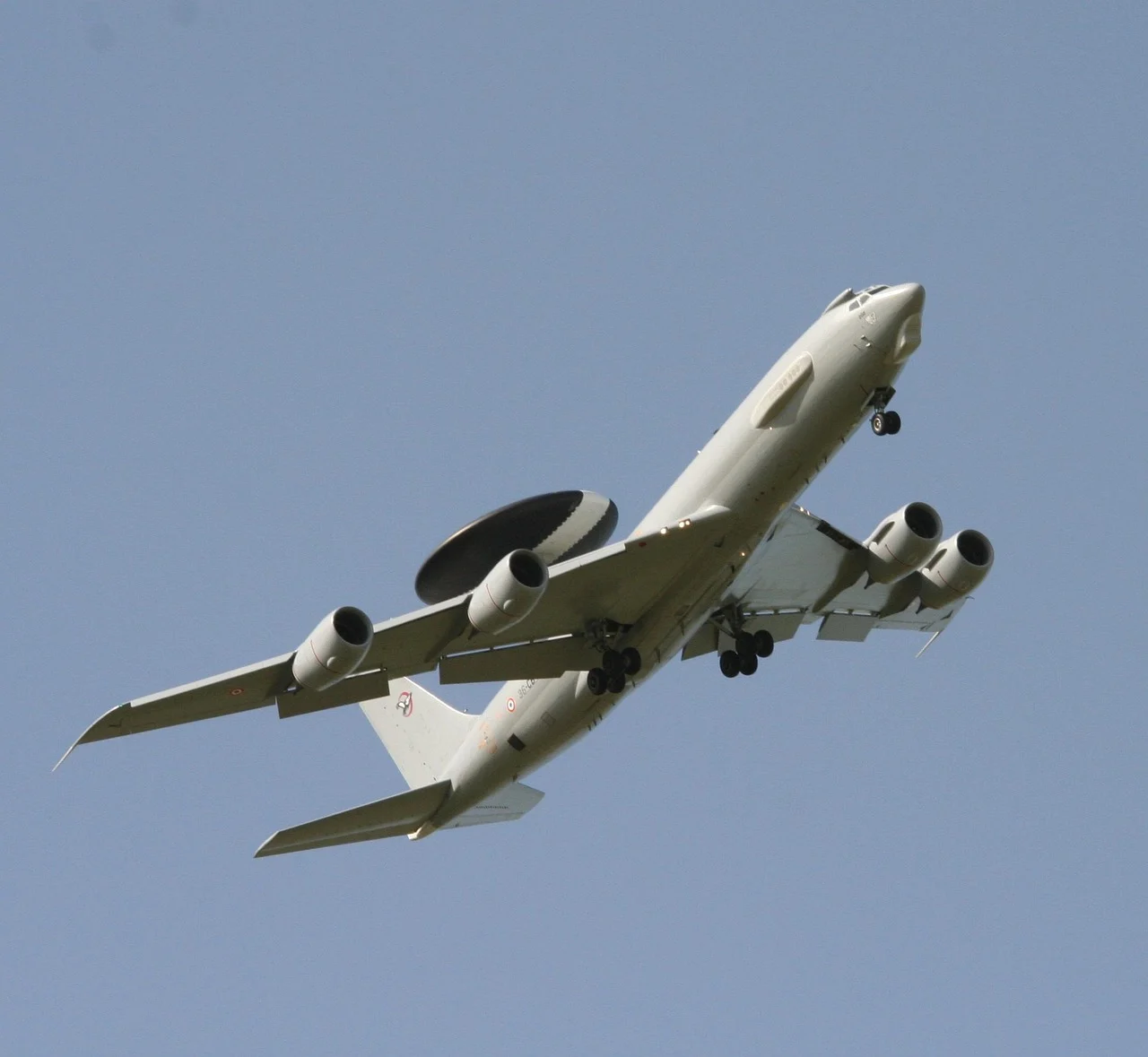
Short answer: Flights may not show on public trackers due to lack of radar coverage (especially over oceans and remote areas), aircraft not broadcasting via ADS-B, privacy requests by owners, or tracker data filters that hide certain flights. Military and some government operations are also often excluded.
Key takeaways
- Radar coverage is not uniform; oceans and remote areas have gaps.
- Aircraft must have functioning transponders and broadcast ADS-B for most public trackers.
- Some planes are blocked at the request of owners for privacy or security.
- Tracker filters may hide military, VIP, or charter flights.
- You can often verify a flight through other means, like airline apps or airport displays.
- Understanding these reasons prevents unnecessary worry when tracking a loved one.
What you will find here
- Why Is That Flight Not Showing Up?
- How Do Public Flight Trackers Actually Work?
- Geographic Gaps in Radar and ADS-B Coverage
- When a Plane Doesn’t Broadcast: Transponder and ADS-B Out Issues
- Privacy and Security Blocks: Why Some Planes Are Hidden
- Tracker Filters and Commercial Data Choices
- How Can I Find a Flight That’s Not Showing Up?
- What If the Flight Is Emergency? When to Worry
- Making Peace with Gaps in Flight Tracking
Why Is That Flight Not Showing Up?
If you’re watching a loved one’s flight and it’s missing from your favorite tracker, don’t panic. Missing flights happen all the time, and they’re rarely a sign of trouble. Public flight trackers rely on a patchwork of data sources, and several everyday things can cause a flight to appear invisible.
The most common culprits are coverage gaps, transponder issues, privacy blocks, and data filters. Each one acts differently, but together they explain why a plane can be airborne while your app shows nothing.
Coverage gaps happen when the aircraft is over oceans, remote areas, or regions with limited receiver networks. Transponder issues mean the plane’s signal isn’t being sent or received properly. Privacy blocks are used by some operators—like private jet owners or certain government flights—to hide their position from public view. And data filters, built into many trackers, might exclude certain aircraft types, military operations, or test flights.
In this guide, I’ll break down each reason in detail, so you know exactly what’s going on when a flight goes dark. More importantly, I’ll show you how to still find the information you need. Even when a flight doesn’t show up on public radar, you can usually track its status through airline apps, airport displays, or direct communication. So let’s dig into why these gaps exist and what you can do about them.
How Do Public Flight Trackers Actually Work?
Public flight trackers don’t have their own radar systems. Instead, they pull together data from multiple sources and display it on a map you can read from your phone. Understanding that mix explains a lot about why you see some flights and not others.
The backbone of most public trackers is ADS-B, which stands for Automatic Dependent Surveillance–Broadcast. That’s a mouthful, but the idea is simple: a plane determines its own position using GPS, then broadcasts that position along with its speed, altitude, and identification. These signals go out continuously, like a plane announcing where it is every second.
Those broadcasts are picked up by receivers on the ground. Some are run by aviation authorities, but many are owned by hobbyists and volunteers who share their feeds with tracking websites. That community network is why coverage is dense in some areas and sparse in others. If you’re over the middle of the ocean, there might be no ground receiver in range.
To fill those gaps, some trackers also use satellite-based receivers. Satellites in low Earth orbit can pick up ADS-B signals from aircraft flying far from land. That’s great for oceanic routes, but it adds a small delay and isn’t always available for every flight.
You may wonder about radar. Air traffic control still uses radar for tracking planes, and it’s a separate system from what public trackers rely on. Radar data isn’t generally shared with public tracking apps—it’s for controllers, not for your phone. Public trackers stick with ADS-B and satellite data.
So, when you open a tracker, you’re seeing a patchwork of ground receivers and satellites, all working together to map the skies. That patchwork has holes, and those holes are exactly why some flights don’t show up. Next, we’ll look at the specific reasons a flight might be invisible to you.
Geographic Gaps in Radar and ADS-B Coverage
The biggest reason a flight vanishes from your screen often comes down to simple geography. Public flight trackers rely on a network of ground-based receivers that pick up signals from aircraft. These receivers are densely packed in places like North America and Europe, where air traffic is heavy and infrastructure is robust. But that network has holes—big ones.
Over oceans, mountains, and vast deserts, those ground receivers are few and far between. An airplane flying across the Pacific might be out of range of any receiver for hours. The same happens when a flight cuts over the Rockies or the Sahara. In those zones, the tracker simply has nothing to listen to.
Some services try to fill the gaps using satellite-based ADS-B. That means satellites in orbit collect the aircraft’s position and relay it down to the ground. It sounds like a perfect fix, and it helps in many situations. But satellite coverage isn’t universal, and it isn’t always real-time. There can be delays of a minute or more while the data bounces through space. And some aircraft still aren’t equipped with the necessary transmitters for satellite reception.
Picture this: You’re tracking a flight from Los Angeles to Sydney. It shows normally for the first hour, then disappears somewhere over the Pacific. That’s not a malfunction—it’s just a dead zone. The aircraft might be broadcasting perfectly, but there’s no receiver within range until it approaches Hawaii’s islands or the coast of Australia.
These gaps are completely normal. They don’t mean the flight is in trouble or that the tracker is broken. In fact, for most of history, air traffic control over oceans relied on radio calls every few hundred miles. The technology today is vastly better, but it still has seams.
So when a plane drops off your screen over a remote stretch, don’t panic. Check the map—if it’s heading across an ocean or a sparsely populated region, you’re likely seeing a coverage gap, not a problem. The flight will usually reappear as it gets closer to land, where the receivers are waiting.
When a Plane Doesn’t Broadcast: Transponder and ADS-B Out Issues
Sometimes the plane itself is the reason it’s missing from your screen. Most commercial airliners carry modern ADS-B Out equipment, which automatically broadcasts their position. But not every aircraft has it. Older planes and many small general aviation aircraft may only have basic transponders that respond to radar when interrogated—or none at all.
Even when equipped, the system can be manually turned off. Pilots can switch their transponder to standby or off, which stops all broadcasting. They might do this on the ground after landing, but occasionally a pilot forgets to switch it back on before departure. In rare cases, a pilot may intentionally disable it for security reasons, though that’s mostly in sensitive or military contexts.
Maintenance issues can also ground the signal. A faulty transponder, a broken antenna, or an electrical problem might mean the aircraft isn’t transmitting at all. When that happens, the plane simply won’t appear on trackers until the issue is fixed on the ground.
Another factor is regulations. ADS-B Out is mandatory in certain airspace—like much of the United States and Europe—but it’s not required everywhere in the world. In regions without such mandates, some operators choose not to equip their aircraft with the technology. So you might see a flight vanish when it crosses into airspace where radar coverage is sparse and the plane has no ADS-B.
This explains why a flight can be tracked perfectly, then suddenly disappear mid-air. It’s not always a technical glitch on your end. Sometimes the plane itself is silent by design, by accident, or by regulation. If you’re tracking someone’s flight and it drops off the map, give it a little time. If it doesn’t come back and you’re concerned, check with the airline or airport for the latest status.
Privacy and Security Blocks: Why Some Planes Are Hidden
Sometimes a plane is missing from your tracker not because of a technical glitch but because someone asked for it to disappear. Many countries allow aircraft operators to request blocking from public trackers, and those requests are often honored. The result: a flight that exists in the real world but never appears on your screen.
Privacy is the most common reason. Think of a celebrity, a high-profile executive, or a government official traveling on a private jet. They don’t want the world to know where they are or when they’re moving. Corporate confidentiality also plays a role. A company might be flying executives to a secret meeting or shuttling equipment for a new product launch. Blocking keeps that activity out of public view.
It’s important to note that these blocklists usually apply to specific flights, not an entire airline. A single aircraft may be blocked for one journey but visible on another. So seeing a Gulfstream missing from the radar doesn’t mean the whole charter company is hidden—just that particular trip.
One well-known mechanism is the FAA’s Block Aircraft Registration Request (BARR) program in the United States. Under BARR, aircraft owners can request that their flight data not be shown on public tracking websites. The program is designed to balance safety and security needs with the public’s interest in air traffic information. Other countries have similar systems, though they operate under different names and rules.
Military and government flights often get a different treatment entirely. They may use special callsigns that don’t follow standard civilian formats, making them hard to identify. Some are excluded from public tracking altogether, or their data is filtered out by the tracking services themselves. You might see a random blob on the map that doesn’t match any known flight—that could be a military aircraft operating under restricted protocols.
So if a plane is missing and you’ve ruled out technical issues, consider the possibility that it was hidden on purpose. It’s not that the tracker failed; it’s that the flight was never meant to be public.
Tracker Filters and Commercial Data Choices
Not every flight tracker is built the same. Each service decides which data sources to use and how to present them. Some prioritize showing every commercial flight in sight, while others filter for what they consider useful or profitable.
You might notice that a flight appears on one app but not another. That’s often not a technical failure. It’s a business choice. Trackers license data from different providers, and those agreements shape what you see.
One common filter involves altitude and speed. If a plane is flying without a filed flight plan, some trackers hide it unless it’s cruising above a certain altitude or traveling fast enough. That’s a way to cut out the noise of small private planes and hobby aircraft that might clutter the map. But it also means you won’t see that delayed private jet circling low near the airport.
Another layer: paid versus free access. Many trackers offer tiered services. The free version might delay military flight data by hours or omit it entirely. Pay a subscription fee, and you could get live military tracking, including aircraft that are otherwise invisible to the public. That’s not a conspiracy; it’s how these companies monetize their tools.
Licensing agreements play a role too. Some data sources come with restrictions. A tracker might pay for ADS-B feeds from certain regions but not others, or it might have contracts that forbid showing specific types of flights. If a whole category of planes is missing from one app, check another. They don’t all draw from the same well.
When I’m trying to track a specific flight and it’s not showing up, my first move is to open a different tracker. Compare two or three side by side. Sometimes the flight pops right up on the second one. That’s not a glitch—it’s just the filter choices that each company made.
So before you assume a plane is off the grid, consider the source. The tracking app you’re using might be hiding it for perfectly mundane reasons. Understanding that can save you a lot of unnecessary worry.
How Can I Find a Flight That’s Not Showing Up?
First, check the airline’s own app or website. Airlines publish their schedules and sometimes even live statuses, regardless of what public trackers show. If the flight is operated, it’ll appear there.
Next, try the airport’s arrival and departure displays. Most airports have a public page or screen listing all flights, including those that might be hidden from tracking apps. That’s often the fastest way to confirm a flight is happening.
If you’re still stuck, try a different tracking service. Not all trackers use the same data. FlightAware, RadarBox, Flightradar24—each pulls from different feeders and sources. A flight missing on one might show up on another.
Some trackers also offer satellite-based coverage. That can help when a plane is over oceans or remote areas without ground receivers. But keep in mind, satellite data isn’t always real-time on free apps.
Another angle: check the airline’s schedule or a general flight status site. Even if a plane isn’t broadcasting its position, the fact that it’s scheduled means it’s likely flying. You just can’t see it move.
If you’re tracking a loved one, remember this: lack of tracking does not mean lack of safety. Every flight is still monitored by air traffic control. Those controllers see the plane even when your app doesn’t. The flight is never truly lost—just invisible to public tools.
So, start with the airline, then the airport, then a different tracker. If all else fails, wait a few minutes and refresh. Sometimes data feeds just glitch momentarily.
But don’t panic. A missing dot on a screen is not the same as a missing plane. It’s often just a technical or coverage quirk.
What If the Flight Is Emergency? When to Worry
It’s a scary feeling when a flight you’re tracking disappears from the map, especially if someone you care about is on board. But here’s the key thing to remember: official air traffic control always has tracking, even when public apps don’t. They use radar, satellite, and other systems that are far more comprehensive than what’s available to you. So a missing plane on your screen doesn’t mean it’s actually lost.
Emergencies in aviation are extremely rare. When something serious does happen, it’s not something you’ll find out about from a tracking app first. Major incidents get covered by news outlets almost immediately. If you’re worried, checking a reputable news source or the airline’s official channels is the way to go, not refreshing a radar page.
What about those moments when you lose signal mid-flight? That’s common over oceans, remote areas, or when the plane’s transponder isn’t broadcasting for maintenance reasons. It’s almost always a technical hiccup, not a crisis. Panicking over a lost signal is like worrying about a friend whose phone battery died during a road trip. The plane is still following its flight plan, and air traffic controllers know exactly where it is.
If you’re tracking someone and genuinely concerned, here’s a practical move: use the airline’s own tracking tools or contact their customer service. Many airlines have official flight status pages that use more reliable data. You can also sign up for notifications directly from the airline, so you’re alerted to major changes without staring at a screen.
Ultimately, trust the systems designed for safety. Public trackers are convenience tools, not emergency monitors. If no news is reporting an incident, the most likely explanation is that everything is fine. Save your worry for the moments when official sources raise an alarm, not when a consumer app loses the plot.
Making Peace with Gaps in Flight Tracking
No single reason explains why a flight might vanish from your screen. Signal gaps, transponder quirks, privacy filters, and commercial data choices all play a part. Remember that a missing blip rarely means trouble—it usually means the plane is simply out of range or intentionally hidden.
When you hit a gap, be patient. Give it a few minutes before refreshing your app or switching to another tracker. If you’re following a loved one’s flight, cross-check with the airline’s own status page or a direct call to the carrier. Those official sources pull from the cockpit, not just ground radar, so they’re your most reliable bet.
Think of public trackers as a convenience, not a guarantee. They’re fantastic tools for most flights, but they have blind spots just like any other technology. Instead of panicking when a plane disappears, treat it as a cue to verify through other means.
Next time you spot a gap, you’ll know it’s likely routine. You have the knowledge to check the right channels and the confidence to wait it out. Tracking gaps are part of the system—but they don’t have to leave you guessing.
Frequently asked questions
Why don’t some flights appear on public flight trackers?
Some flights don’t show up on public trackers because they’re not required to broadcast their position, or because their signals aren’t picked up by the tracker’s network. Private aircraft, military flights, and some government planes often opt out. Also, a tracker may only rely on ADS-B or MLAT, which doesn’t cover every aircraft in every area.
What types of flights are commonly hidden from public trackers?
Flights that are often invisible on public trackers include military operations, government or diplomatic missions, private jets with privacy requests, and law enforcement flights. Some airlines also request that their flights be blocked for competitive or security reasons. Additionally, experimental aircraft or those with older transponders may not show up.
Can a pilot or operator hide a flight from public tracking?
Yes. In the U.S., the FAA allows general aviation pilots to use an LAA (Limited Aircraft Data Display) request, which restricts real-time tracking on public websites. However, this doesn’t hide the aircraft from air traffic control or other safety systems. You can’t hide from radar if you’re flying in controlled airspace—only from public broadcasting.
Why do some flights disappear from trackers mid-flight?
A flight can vanish for several reasons: it may fly out of range of ground receivers, its transponder might be temporarily off, or it could enter an area with no ADS-B coverage, like over oceans. It might also be a military or government flight that was blocked after departure, or it could be a false drop due to a technical glitch.
Is it illegal for a commercial flight to be hidden from trackers?
No, it’s not illegal for commercial flights to be hidden from public tracking. Airlines and operators may request that their flights not appear on public sites, but this doesn’t affect safety. All commercial flights must still comply with air traffic control and safety regulations, which require position reporting via other means.
Do all flights have to broadcast ADS-B?
No, not all. While ADS-B is mandatory in many controlled airspaces, like the U.S., for most aircraft, there are exceptions. Some older planes, certain private aircraft, and military operations are exempt. Additionally, many countries haven’t fully implemented ADS-B requirements, so smaller or recreational aircraft may not be equipped.